The City in the Forest
About Atlanta, GA
Welcome to Atlanta, Georgia's capital and Fulton County seat, a sprawling Southern metropolis woven together by the BeltLine and shaded by a celebrated tree canopy.
Atlanta is the capital and most populous city of Georgia and the seat of Fulton County, with portions of the city extending into neighboring DeKalb County. Roughly 530,000 people live within the city limits, at the center of a metro area that functions as the commercial and cultural hub of the Southeast. Atlanta's identity is rooted in its history as a railroad terminus and, later, a center of the civil rights movement, and today it is known for its corporate economy, its major airport, and a dense tree canopy that has earned it the nickname "the City in the Forest." The city's layout is defined by its neighborhoods. Atlanta's planning department recognizes more than 240 neighborhoods grouped into neighborhood planning units, and the character varies sharply from one to the next. Buckhead anchors the city's northern edge with office towers, upscale retail, and established residential streets. Midtown and Downtown form the central business and cultural core, while east-side intown neighborhoods such as Inman Park, Virginia-Highland, Grant Park, and Cabbagetown offer some of the region's most distinctive historic housing and walkable commercial districts. Culturally, Atlanta pairs major attractions with strong neighborhood life. Centennial Olympic Park anchors the downtown tourism district, and venues such as Mercedes-Benz Stadium and State Farm Arena host professional sports and major events. Ponce City Market and the Fox Theatre anchor entertainment, while Zoo Atlanta and Piedmont Park draw families across the region. The dining scene ranges from Southern classics to a broad international mix, concentrated downtown and along intown commercial corridors. The Atlanta BeltLine is the city's defining public-space project: a 22-mile loop of trails, parks, and future transit that links 45 neighborhoods and has reshaped how residents move around the intown core. Public education is led by Atlanta Public Schools, and MARTA's rail and bus network connects the city to Hartsfield-Jackson International Airport, the world's busiest, in under half an hour.
Frequently Asked Questions
What county is Atlanta in?
Atlanta is the seat of Fulton County, Georgia, and portions of the city extend into neighboring DeKalb County. It is the capital and most populous city in the state, with roughly 530,000 residents within the city limits at the center of a much larger metro area.
What school districts serve Atlanta?
Atlanta Public Schools serves most of the city, including traditional, charter, and specialty campuses. Surrounding communities are served by other systems, such as Fulton County Schools to the north and the City Schools of Decatur to the east. Because district boundaries cross city and county lines, the district for a particular home depends on its street address.
What are the most popular neighborhoods in Atlanta?
Buckhead, Midtown, Downtown, and the east-side intown neighborhoods are among the most referenced. Inman Park, Virginia-Highland, Grant Park, and Cabbagetown are known for historic homes and walkable streets, while Buckhead offers towers, retail, and established residential areas. The BeltLine connects many of these districts.
How do people get around Atlanta?
Atlanta is served by MARTA, which operates rail lines connecting the airport, Downtown, Midtown, Buckhead, and Decatur, plus an extensive bus network. Hartsfield-Jackson International Airport, the world's busiest, is linked to downtown by rail in under thirty minutes. The BeltLine provides multi-use trails, and intown neighborhoods offer the most walkable living.
What is Atlanta known for?
Atlanta is known as the capital of Georgia and a major Southeastern hub for business, air travel, and culture. It is called the City in the Forest for its dense tree canopy, and its defining public spaces include the 22-mile BeltLine, Piedmont Park, Centennial Olympic Park, and Zoo Atlanta.
City Guide
About Atlanta
Real Estate & Housing
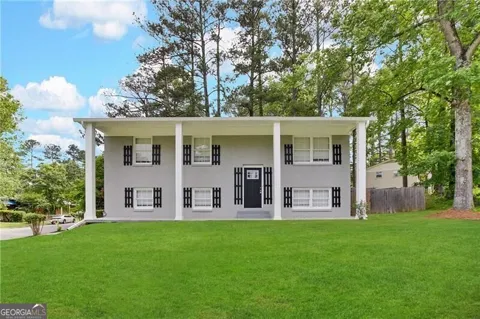
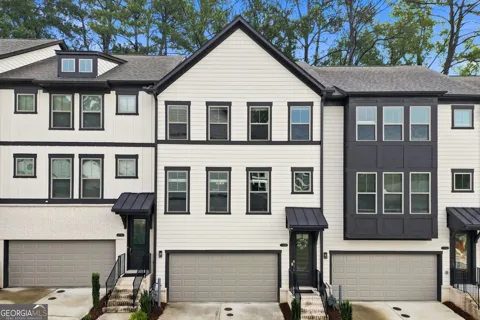
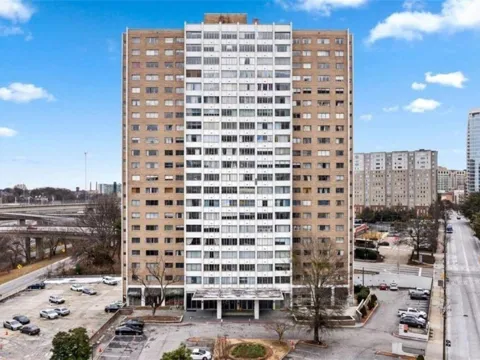
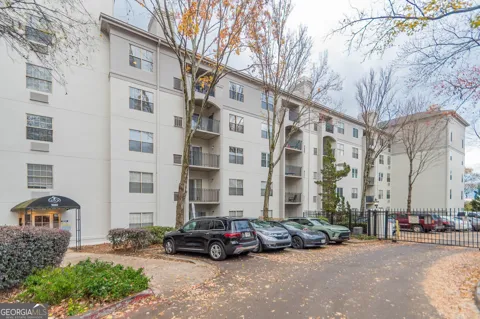
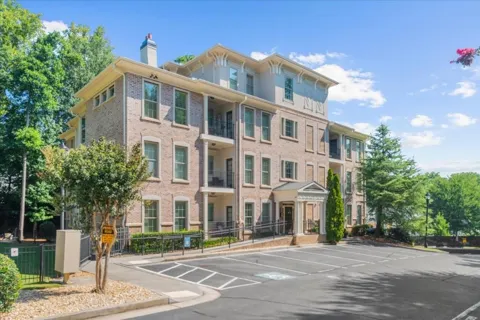
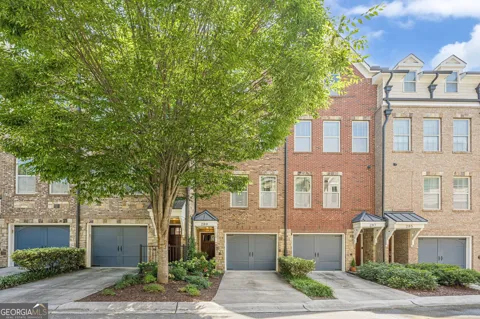
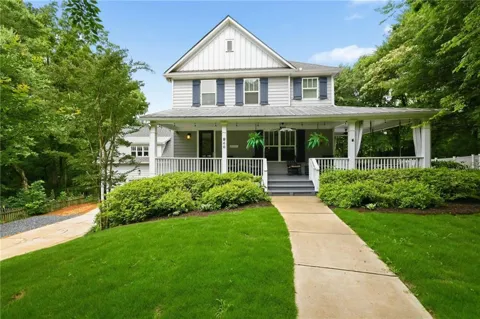
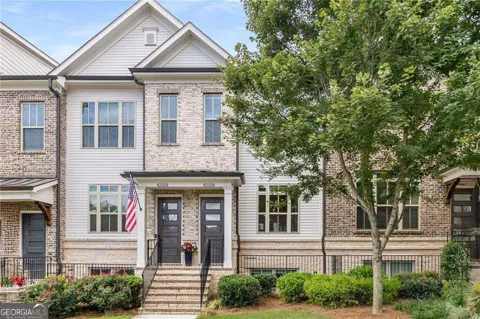
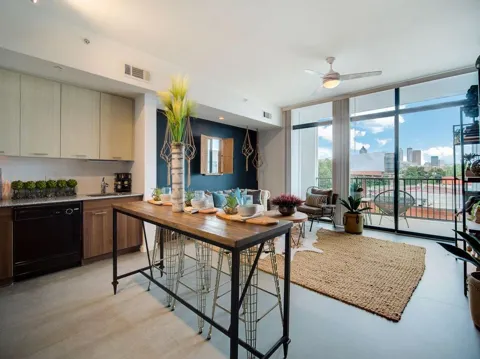
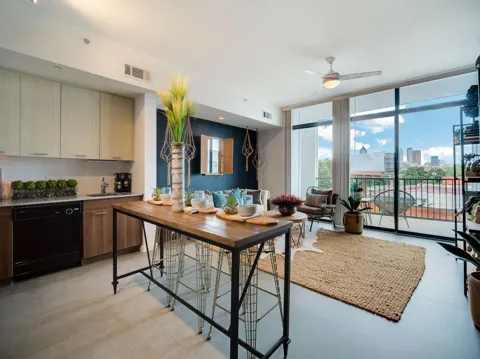
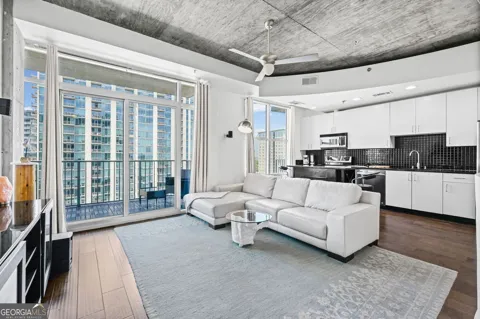
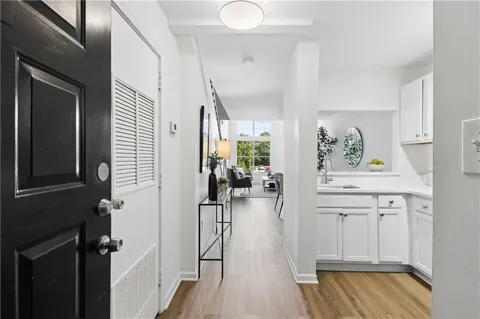
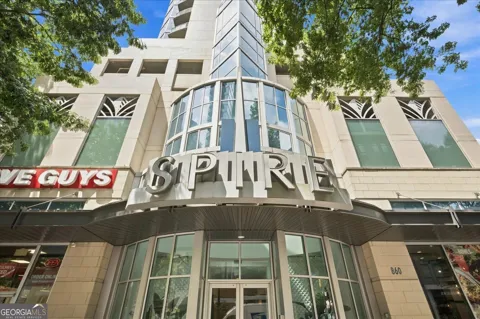
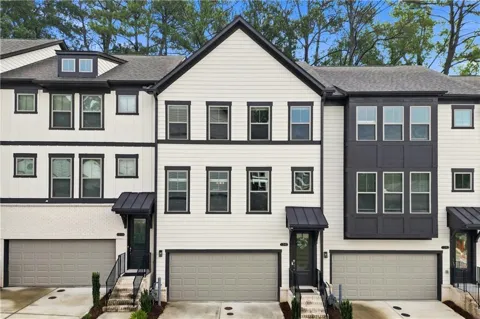
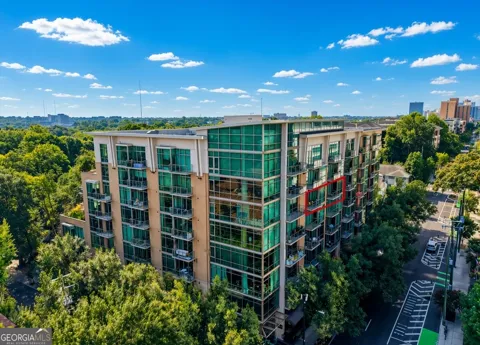
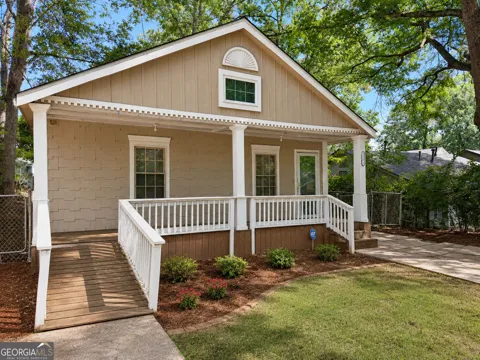
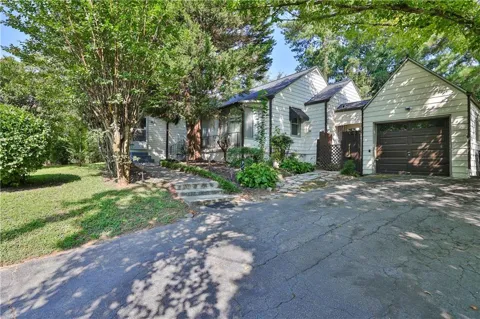
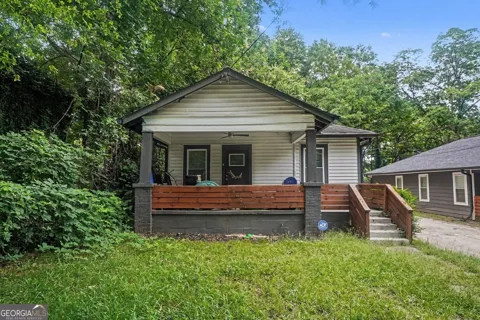
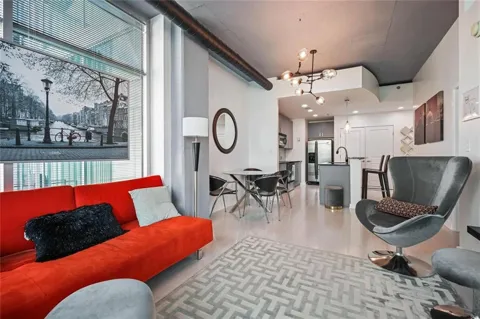
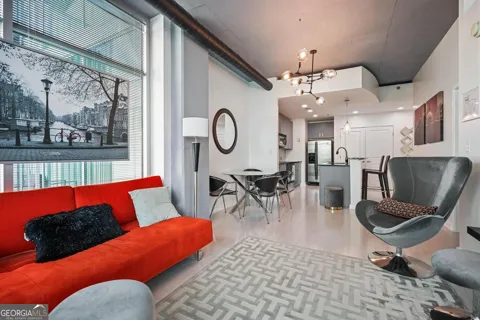
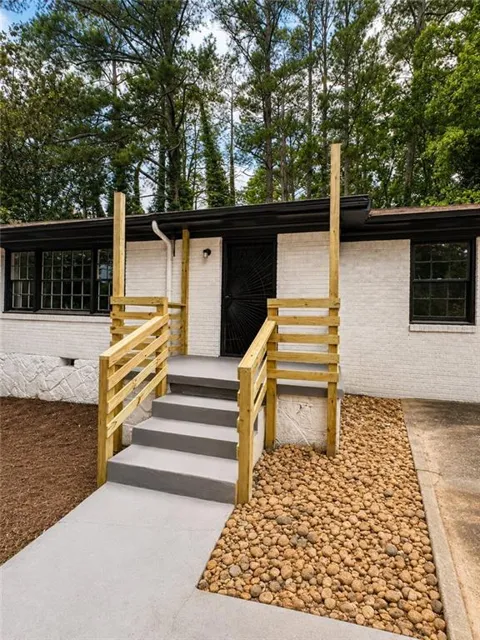
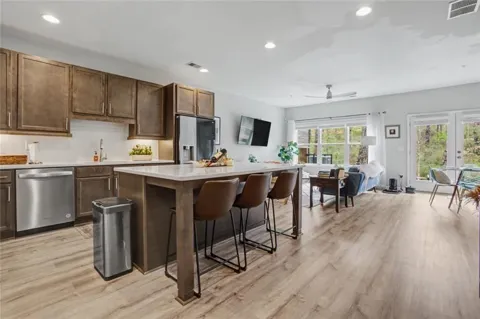
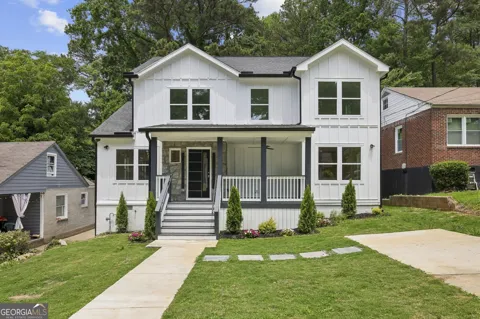
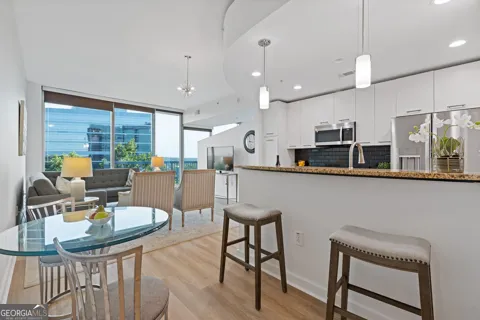
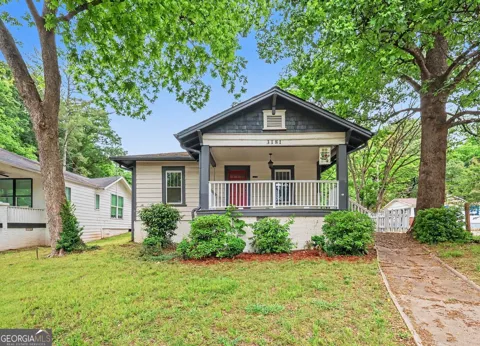
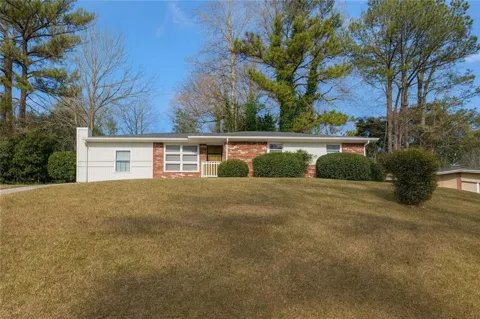
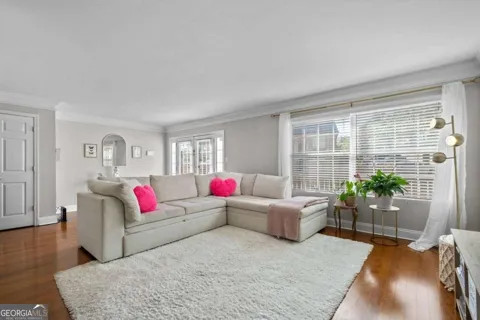
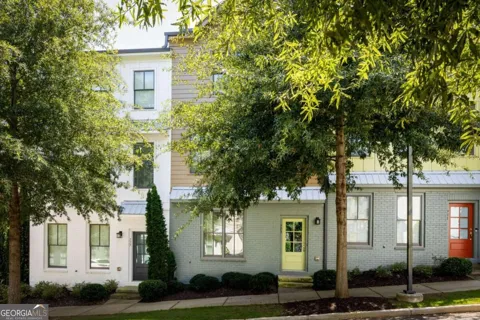
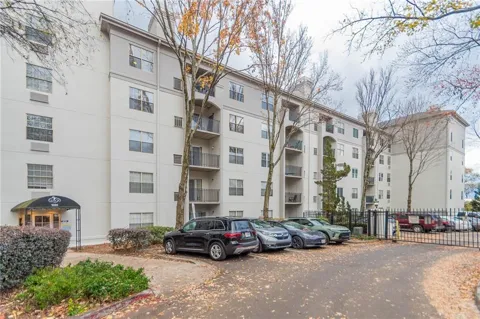
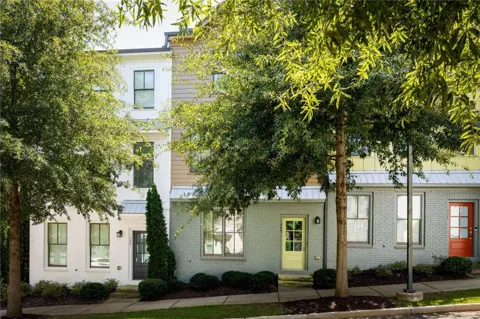
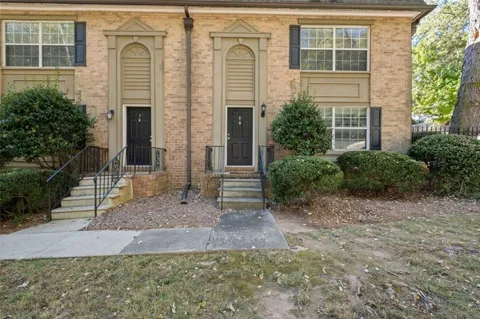
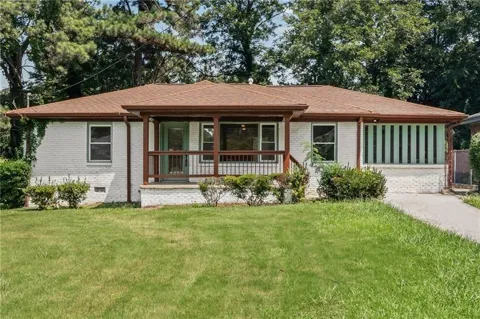
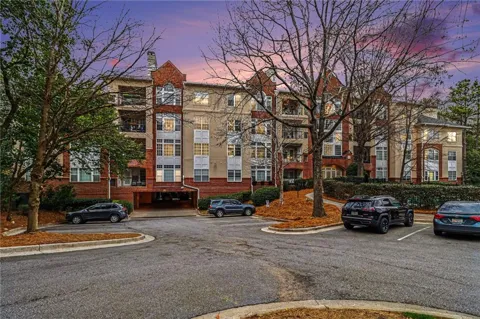
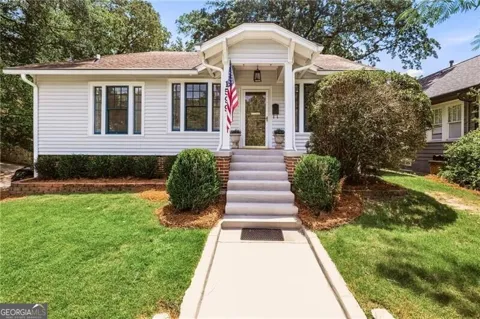
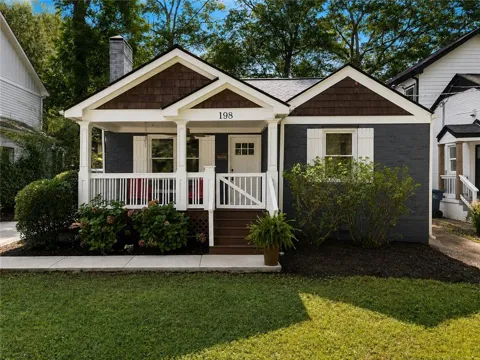
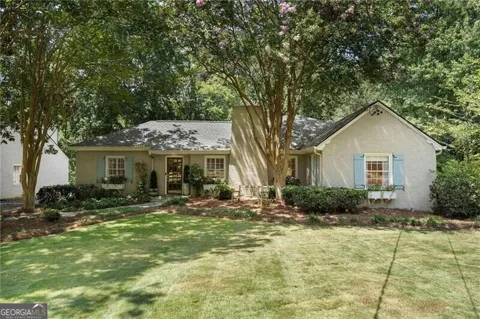
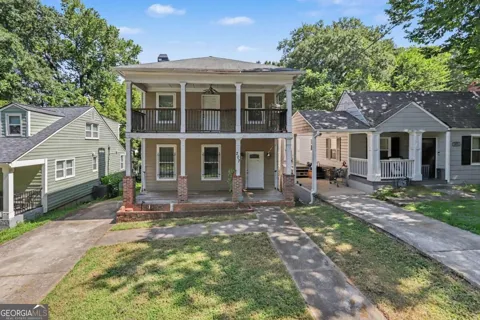
Atlanta's housing stock reflects more than a century of Southern building. Older intown neighborhoods preserve the city's architectural range: Inman Park is known for its Victorian mansions and Queen Anne homes, Grant Park for Victorian-era residences with deep porches, and Virginia-Highland for 1920s-era bungalows and cottages. Craftsman, Tudor, ranch, and mid-century modern styles appear throughout the established east-side and north-side neighborhoods, while Buckhead and Midtown add high-rise condominiums and newer infill townhomes. Because much of Atlanta was rebuilt after the Civil War, antebellum homes are rare; the city's historic fabric instead runs from late-19th-century cottages to contemporary construction near the BeltLine.
Neighborhoods
Atlanta's neighborhoods are its defining feature, and the city officially recognizes more than 240 of them. Buckhead, at the northern end, mixes corporate towers, upscale retail, and estate-scale residential streets. Midtown is the cultural and high-rise core, home to arts institutions and Georgia Tech. Downtown centers on the Centennial Park district and major sports venues. On the east side, Inman Park, Virginia-Highland, Grant Park, and Cabbagetown offer historic homes, tree-lined streets, and walkable commercial corridors. West Midtown and the Westside blend former industrial buildings with galleries and dining, while the BeltLine ties many of these districts together into a continuous loop.
Lifestyle in Atlanta
Atlanta's culture combines major-city attractions with intimate neighborhood life. Centennial Olympic Park anchors downtown tourism, with Mercedes-Benz Stadium and State Farm Arena hosting professional football, basketball, and major events nearby. Ponce City Market, the Fox Theatre, and Zoo Atlanta round out the city's entertainment anchors, while Piedmont Park provides a central green space for festivals and everyday recreation. The dining scene spans Southern cooking and international cuisines, and downtown alone counts hundreds of restaurants and nightlife venues. Intown neighborhoods add independent restaurants, coffee shops, and galleries along streets like North Highland Avenue, giving residents walkable local culture just beyond the high-rises.
Schools & Education
Public education in Atlanta is led by Atlanta Public Schools, which serves students across the city through a network of traditional, charter, and specialty campuses. Families in surrounding communities are served by other systems, including Fulton County Schools to the north and the City Schools of Decatur to the east, which is frequently cited for strong academic performance. The city is also a center for higher education, anchored by Georgia Tech in Midtown and complemented by several other universities and colleges across the metro. For relocating families, school assignment depends on the specific address, with district boundaries crossing city and county lines in many areas.
Getting Around
Atlanta is organized around a set of major interstate corridors and MARTA, the region's rapid transit system. MARTA's rail lines connect the airport, Downtown, Midtown, Buckhead, and Decatur, with buses covering the city and parts of nearby counties. Hartsfield-Jackson Atlanta International Airport, the world's busiest, sits at the southern edge of the city and is linked directly to downtown by rail in under thirty minutes. The BeltLine adds a growing network of multi-use trails for walking and biking, and intown neighborhoods such as Midtown and the east-side districts offer the region's most walkable, transit-connected living. Driving remains central for much of the sprawling metro area.
Parks & Recreation
Green space is central to Atlanta's identity as "the City in the Forest." Piedmont Park, the city's signature central park, anchors festivals and everyday recreation, while Zoo Atlanta and Grant Park sit just to the south. The Atlanta BeltLine is the defining outdoor amenity: a 22-mile loop of trails and parks linking 45 neighborhoods, with nearly 17 miles of mainline trail and additional connector paths for walking, running, and biking. Historic Oakland Cemetery doubles as a landscaped public space, and the city's dense tree canopy shades streets and yards throughout intown neighborhoods.
MARKET SNAPSHOT
The Market at a Glance
How homes have been selling here over the last 90 days.
Price & Sales History
Market data reflects closed sales over the last 90 days and is provided for informational purposes.
EXPLORE COMMUNITIES
Subdivisions
Browse the neighborhoods and subdivisions in this area.
Zip Codes
BROWSE BY ZIP
Browse listings by postal code in this area.
- Grid
- Map
- List